SYSTEMS
HISTORY
EDUCATION
Friedrich Fröbel and the Only Skill That Actually Matters Now
We're losing the ability to concentrate, think independently and synthesise our own ideas — and AI is accelerating that loss.
indergarten was the most important invention of the last 1000 years. In 1837, Friedrich Fröbel created something fundamentally different from any school that had come before. Although he didn't know it at the time, his approach to education was ideally suited to the needs of today's 21st century society — not just for five year olds, but for all of us. Especially in an age of AI.
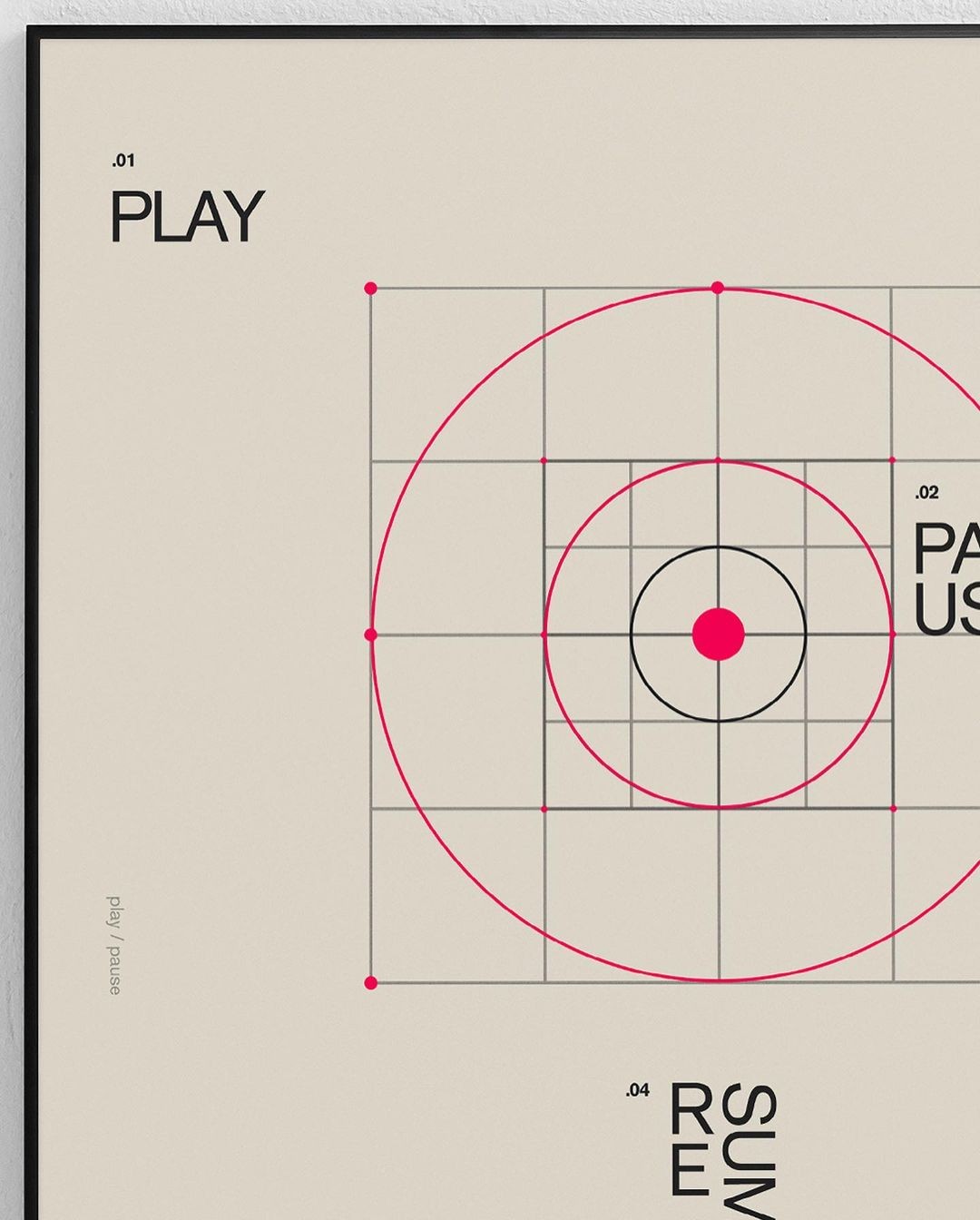
Play targets unusual expressions.
play is the engine that powers learning.
His Spielgaben taught children the lessons of the universe before they could understand these theories intellectually. Important ideas about structure, stability, colour, the creative process. How to imagine an idea, test it out and share it with others. The hand understood before the mind caught up. That's not a charming footnote from educational history. That's how autonomous thinking is actually built.
There's a problem though. When children move on to primary and secondary school, things change. They spend their time sitting at desks, filling out worksheets, listening to lectures. The broadcast approach. Not learning by doing. The teacher delivers information but that doesn't help the individual practice and develop the skill. It doesn't build the capacity to think independently. And it leaves people more susceptible to disinformation — because consuming someone else's conclusions is a very different thing from reaching your own.
By the time most people arrive at their careers, they've spent fifteen years learning to receive rather than synthesise. To execute rather than originate. To wait for the answer rather than develop the judgment to find it.
Then AI arrived. And the cost of that loss became impossible to ignore.

Play expands your practice.
Po-Shen Loh, mathematician and national coach of the US Olympic Math team, has watched this unfold from a particular vantage point. When he interviews students, he waits until it's unmistakably clear they've never seen the problem before. Then he watches how they think. Not what they know.
How they synthesise. How quickly they can take something unfamiliar and build their own response to it.That capacity, he argues, is what the age we're in actually demands. AI holds knowledge in vast quantity. It executes at speed and scale. What it cannot do is think in the way Fröbel's kindergarten was quietly building — from genuine curiosity, through experimentation, toward an idea that is authentically your own.
What the world needs now, Loh says, is a large scale way for everyone to develop their own way of thinking. Not to do the problems. To learn how to think through them. To build the kind of thoughtfulness that generates ideas rather than just processes them. To contribute to an ecosystem rather than simply consume one.

Play can be both elegant and messy at the same time.
Play is the engine that powers education
Friedrich Fröbel
This is the spirit of kindergarten. Experiment, explore, express. Imagine an idea, test it out, share it with others. Projects, passion, peers and play — the four conditions under which autonomous thinking actually develops.
How to think and act creatively is going to be more important than ever before. And that's precisely what children are learning in kindergarten — before we take it away from them.
We need to spread that spirit to learners of all ages. To provide opportunities for everyone to continue to experiment, explore and express themselves. To develop the creative capacity that is needed to thrive — not just to survive the age of AI, but to contribute something to it that is distinctly, irreducibly human.
Creativity alone won't save us. Thinking differently will.
We need Fröbel gifts for the 21st century.
ARTICLES
FURTHER READING


All flow.
No friction.
hamish@hux.works
+44 (0)7832 839 543