WELLNESS
SYSTEMS
CULTURE
Structure that Breathes
Most teams build the wrong design system type for their actual imbalance—here's how to diagnose yours and practise what you need.
amaste. Lately, mornings have been cold and dark. I wake early, naturally, so yoga fits. There's nothing more humble than the yoga mat. You can't fake presence. You can't negotiate with gravity.
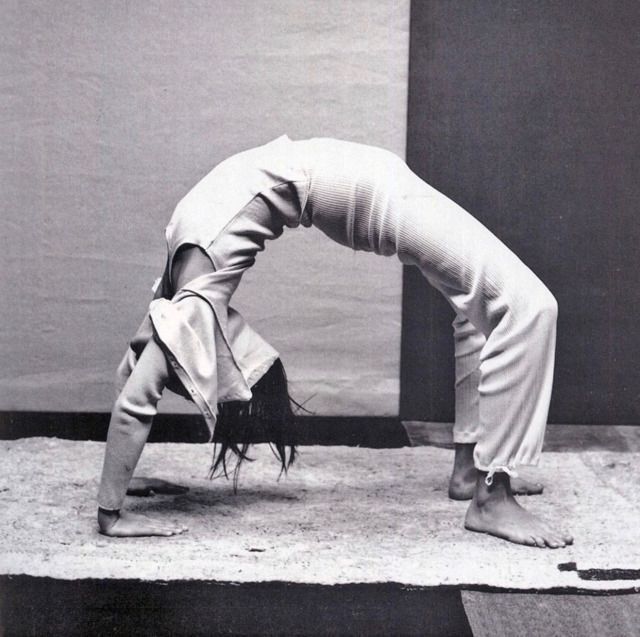
A pose to build a bridge between brand Strategy, production code and your design system.
My teacher, Radhika, begins each session the same way: "What body type are you?" Pitta, in my case. Medium build, gain and lose weight easily, run hot—literally. Too much fire.
In yoga, your body type isn't a diagnosis. It's a framework. Pitta, Vata, or Kapha—decided by which elements dominate within you. For Pittas, fire and water are strongest. Sharp intellect. High drive. Prone to burnout if unchecked.
When you know your body type, you practise the right series of asanas (poses). The series I practise is Chandra Namaskar, Moon Salutation. It activates the ida nadi—the cooling energy channel that helps me feel calm and grounded instead of wired and reactive. We finish with a kriya (cleansing practice) called Sheetali Pranayama: breath work where you roll your tongue, inhale slowly through this channel, exhale relaxed through the nose. Built specifically to cool Pitta types who carry too much fire.

Photo via Cosmos.so
Here's the point. Yoga isn't one practice. It's a system with clear foundations, deliberate constraints, and variations built for different constitutions. You don't do whatever feels good. You practise what your structure needs.Design systems should work the same way.
Parallel
Most teams build the wrong design system. They copy what they admire—Material Design, Polaris, Lightning—without asking if it addresses their actual imbalance.
Just like bodies have types, design systems have stages. Each stage solves a different problem. Each requires different practice. Jump to components (Type 2) without foundations (Type 1), and the system collapses under scale. Build process (Type 4) without tools (Type 2), and nobody follows it.
The framework matters. Know your type. Practise what you need.

Shapes can bring new inspiration to your practice.
Type 1: Brand Identity / Visual Design Language
Your first design system. Visual consistency made real. Brand guidelines that actually get used.
This addresses visual chaos—every designer interpreting the brand differently, inconsistent output across channels. It's early-stage work. You have a brand, but no structure around how it gets applied.
What it looks like: colour palettes, typography, logo usage, visual principles, tone, photography style. References like Alla Kholmatova's Design Systems (Smashing eBooks, 2017) or Andrew Couldwell's Laying the Foundations (2019) document this stage well. The NYC Parks Standards Manual is a clean example—rigid enough to hold, flexible enough to breathe.
The yoga parallel: learn the basic poses. You establish alignment principles before you attempt advanced sequences. Foundations before flow. Radhika won't let you jump to inversions. Ever. Your feet, your hips, your gaze—these aren't suggestions. They're the structure that makes everything else possible.
Without solid foundations, the rest collapses. A design system without clear spacing tokens is like a headstand on sand. Looks fine in the demo. Collapses in production.
Bootstrap started here too—visual consistency first, tools later.
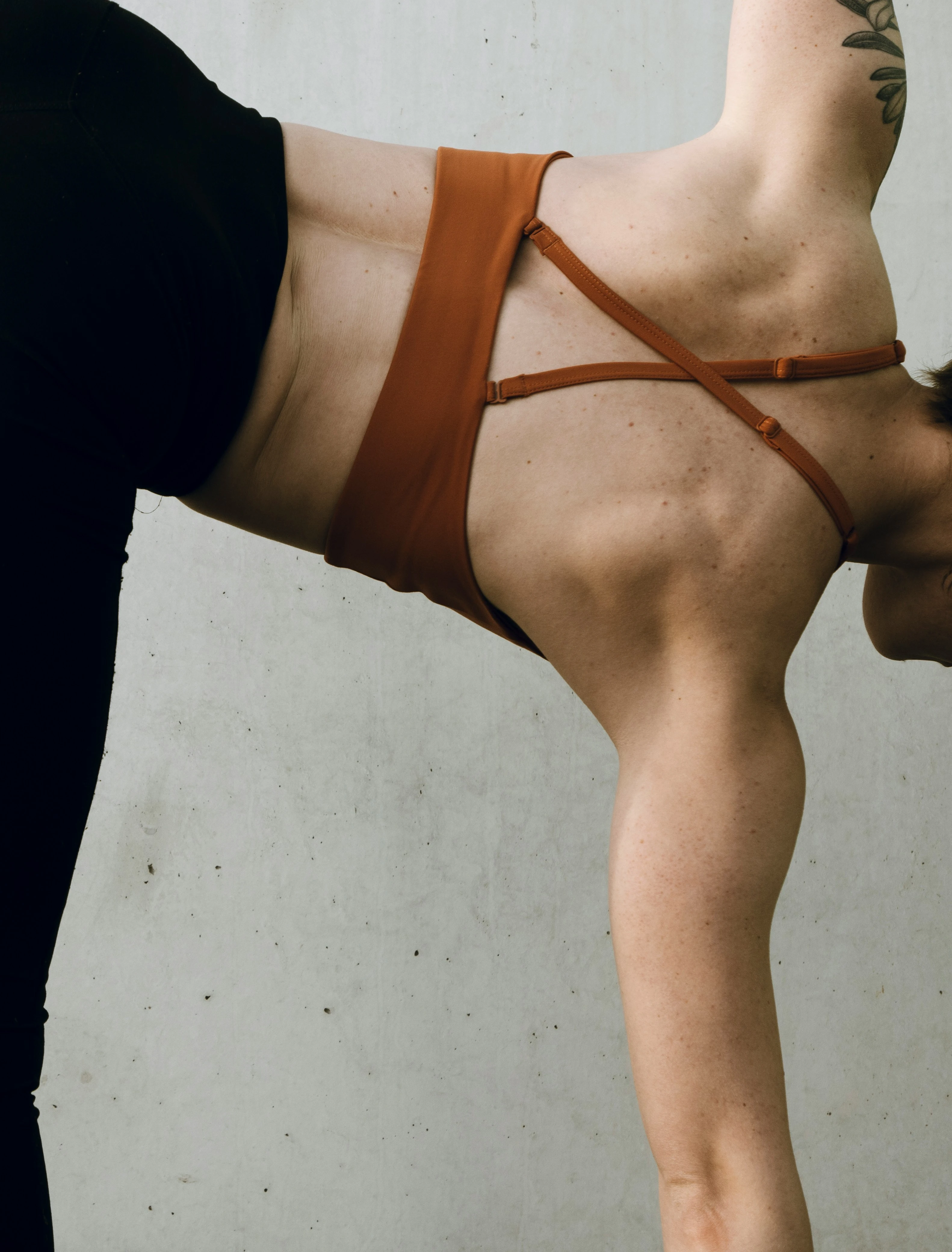
Parks Standards Manual via https://standardsmanual.com/
Type 2: Tools as Design System
Component libraries. Code as truth. React, Angular, Vue implementations.This addresses handoff friction. Designers create things engineers can't build. Engineers rebuild what already exists. Nobody speaks the same language.
You use this when you have visual foundations. Now you need engineering and design to align.What it looks like: component libraries (buttons, forms, cards), living documentation tied to code, Storybook, design tokens as code. Bootstrap evolved here. Tailwind operates here—utility-first, but still tools.
The yoga parallel: props and alignment aids. The block under your hand in triangle pose isn't a shortcut—it's precision. It protects your hamstring whilst you build strength and flexibility. The constraint isn't the enemy. The constraint is the practice.
Tools remove guesswork so you can focus on execution. If a designer has to ask, "What spacing do I use here?" the system has failed. The system should answer before the question forms.Most teams get stuck between Type 1 and Type 2. They document visual standards but don't build the tools that enforce them. The gap between design and delivery stays wide. Simple changes still take two weeks.
Close this gap first. Build the tools. Make the system real in code, not just Figma.

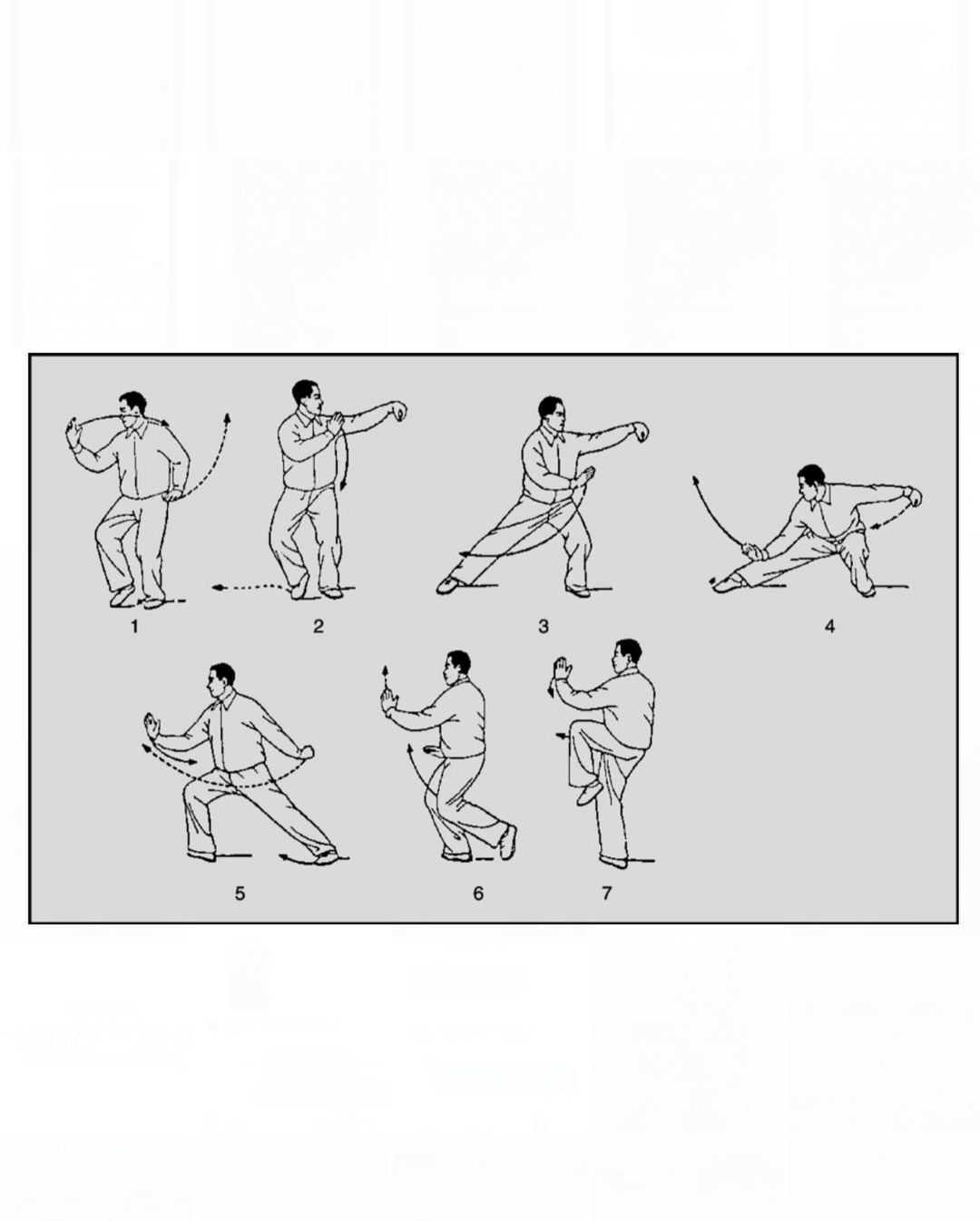
Qi Gong, or any type of mindful movement can bring huge benefits to physical and mental wellness.
Type 3: Design Systems as Products
Material Design. Lightning Design System. Shopify Polaris. The system itself becomes the product—maintained, versioned, documented like software.
This addresses scale. Multiple teams, multiple products, inconsistent experiences. You're big enough that informal coordination doesn't work anymore.
What it looks like: dedicated system team, public documentation sites, versioned releases (v1, v2, v3), adoption metrics, support channels. These systems are products with users, roadmaps, and SLAs.
The yoga parallel: established lineages—Ashtanga, Iyengar, Vinyasa. The sequence is set. Teachers worldwide practise the same structure. Transmission at scale requires clarity. The system holds so practitioners can go deep.
Most small teams don't need this. If you're under 50 people, Type 2 is enough. Type 3 is for organisations where coordination across teams becomes the bottleneck.

Start with creating a qi ball with your hands.
Type 4: Design Systems as Process
Governance. Workflow. "This is how we work." The system isn't just components—it's the process that creates, maintains, and evolves them.
This addresses chaos in decision-making. Nobody knows who decides what. Changes break things. No clear path from idea to implementation.
What it looks like: contribution models (how to add components), review processes (who approves changes), communication channels, change logs, RFC processes. The Design Systems Handbook from DesignBetter.co (2017) covers this stage in detail.
The yoga parallel: sangha (community) and teacher-student lineage. The practice transmits not just through poses, but through relationship, correction, evolution over time. The teacher removes guesswork. Students follow. Attention goes to execution, not choreography.
You need this when the system exists but adoption is patchy. Teams work around it instead of with it. Process without bureaucracy—that's the balance.
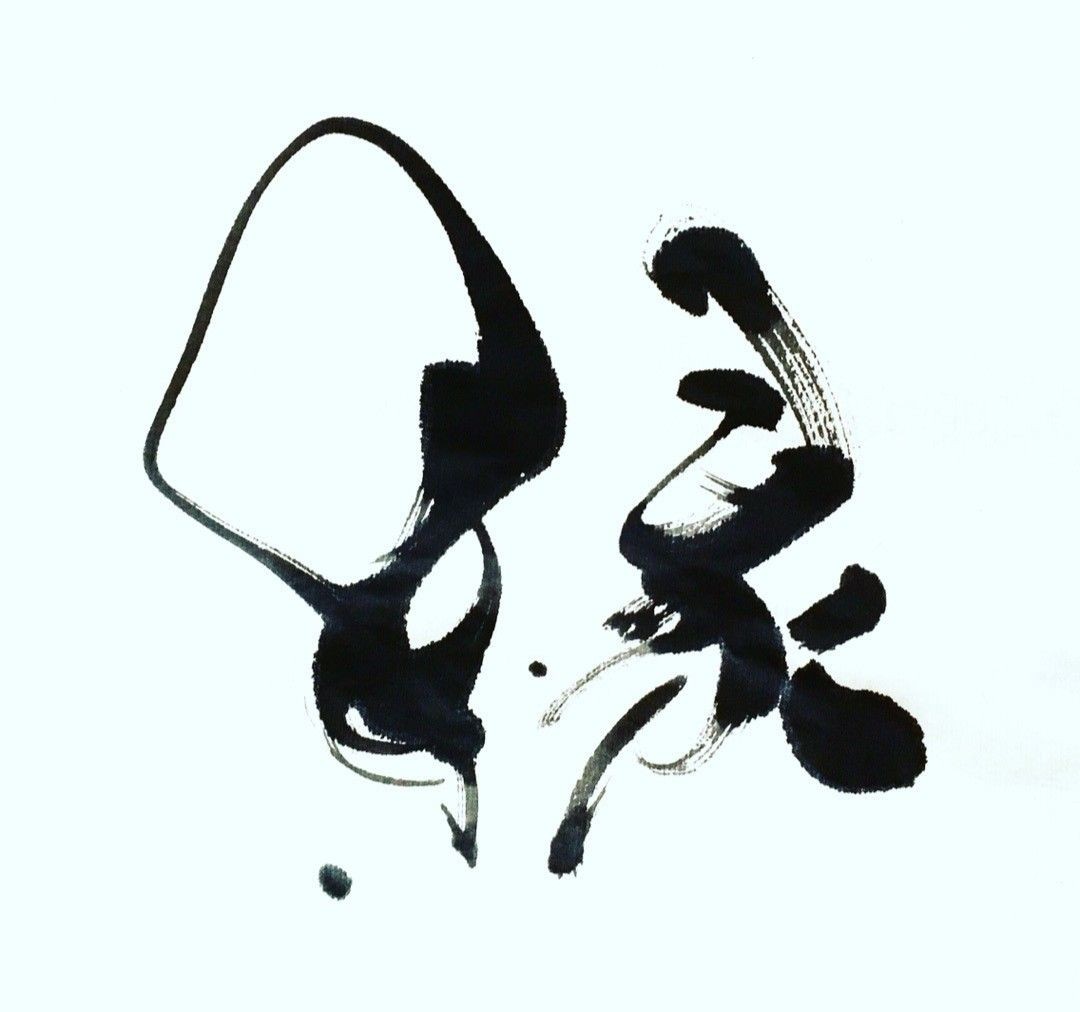
Calligraphy of the kanji 縁 (En), meaning fate or connection.
5: Design System as a Service Systems as Process
The design system team operates as its own entity. Internal agency model. Other teams are clients. The system is a service provided to the organisation.
This addresses the system treated as an afterthought—documentation nobody maintains, components that drift, no clear ownership.
What it looks like: dedicated team (designers, engineers, PMs), SLA commitments (response times, release cycles), support channels, office hours, internal training programmes. Thinking in Systems by Donella Meadows (2008) informs this stage—systems as living entities that require care.
The yoga parallel: guru or teacher as a dedicated role. Teaching isn't a side practice—it's the practice. You can't scale transmission without dedicated practitioners who hold the lineage.
Most organisations reach this stage around 100-500 people. Below that, it's overkill. Above that, it's essential.
Fall in love with the way you move.
Type 6: Design Systems as a Practice
Most mature stage. The system isn't a thing—it's how the organisation thinks. Repeatable, embedded, cultural. Design systems thinking permeates everything.
This addresses fragmentation at scale. As organisations grow, coherence collapses unless systems thinking is woven into culture.What it looks like: systems thinking as default, cross-functional fluency (everyone speaks system), self-reinforcing culture where teams contribute naturally, practice over project (ongoing, not episodic). Tim Brown's Change by Design (2009) and Meadows' Thinking in Systems explore this level—where structure becomes second nature.
The yoga parallel: lifelong practice. You don't "finish" yoga. The mat is where you return. Daily. The practice evolves as you evolve. Structure that breathes.
This is where HUX operates. Systems at play—not rigid rules. We teach teams to build structure that holds without feeling rigid. Operator-led workshops. No-code tools. Shared language that removes repeat decisions.You reach this stage when the system is no longer a project. It's how you work. Version 87, not version 1.0. Airbnb sits here. Shopify sits here. Most teams don't need to aim for this immediately—but knowing it exists helps you understand the path.
Bend space and time.
Universal Principles (Across All Types)
These apply regardless of which type you build.
Foundations before flow. Visual language before components. Tokens before UI. Radhika won't let me attempt advanced poses until my stance is solid. Same principle. Don't build what's impressive. Build what holds.
Repetition without rigidity. Reuse reveals what works. I practise Sun Salutation A daily—same twelve poses, never identical. The structure stays the same. What I notice within it changes. Good systems enable creativity by removing low-level decisions. Bad systems force creativity into rebellion.
Breath as rhythm. Vinyasa means breath-synchronised movement. One breath, one movement. The breath sets the pace. Systems that ignore team rhythm create friction. A design system that requires three-day review cycles for a button colour change breaks the team's breath. Match the system to the natural pace of work, not the other way round.
Constraints create safety. Props aren't shortcuts—they're precision. A block under your hand protects you whilst you build strength. Guardrails, not limits. A designer with 47 grey values makes worse decisions than one with five. The constraint removes noise.
Practice over perfection. You don't master yoga. You practise it. Design systems are never "done." Version 1.0 is the foundation, not the finish. The system evolves as the team evolves. Document what you learn. Refine what breaks. Retire what no longer serves.
Remove guesswork. The teacher demonstrates. Students follow. No ambiguity about what movement comes next. Systems remove repeat decisions—button styles, spacing rules, colour usage. Designers spend energy on problems, not pixels. Engineers build with confidence. Juniors ship without seniors as bottlenecks.
Systems That Breathe
Yoga survived 5,000 years because it's a system that breathes. Rigid enough to transmit across cultures and centuries. Flexible enough to adapt to individual bodies, teachers, contexts.
Design systems need the same quality.
Most teams build the wrong type. They jump to components without foundations. They build process without tools. They treat it like a project when it needs to be a practice.
Know your type. Practise what you need.
If you're early stage, focus on visual foundations (Type 1). If you're scaling, build the tools (Type 2). If you're mature, embed process and practice (Type 4-6). The path is sequential. You can't skip stages without creating imbalance.
Structure doesn't kill creativity. Rigid structure kills creativity. Structure that breathes enables it.
Foundations before flow. Repetition without rigidity. Constraints that protect. Practice over perfection.
Ancient systems solved this millennia ago. You're just relearning it with better tools.
Practical Takeaways
1. Diagnose your type. Don't build what you admire—build what you need.
2. Foundations first. Type 1 before Type 2. Alignment before advanced poses.
3. Match team rhythm. Fast teams need light systems. Regulated teams need heavier governance.
4. Constraints protect. Five greys beats 47. Fewer choices, better decisions.
5. Practice over perfection. The system evolves as the team evolves. Version 1.0 is the start.
6. Remove guesswork. If designers ask basic questions, foundations aren't solid.
7. Know your imbalance. Build the system your team needs, not the one that looks impressive.
ARTICLES
Further Reading