VERSION:
v0.1
CLIENT
Gendo AI
SURFACE:
hux.works
/project/gendo
SUBJECT:
Case study
AUTHOR AND DATE:
HAMISH DUNCAN
09.05.26
Gendo AI
AI Rendering for Architecture and Design
Documentation

Overview
Challenge
The symptoms looked like a content problem. The cause was architectural. No shared taxonomy. No single source of truth. Every explanation was improvised, which meant every explanation was slightly different. Onboarding materials contradicted tooltips. Support responses contradicted onboarding. The product was more capable than anyone—internal or external—could articulate.
Goal
Discovery
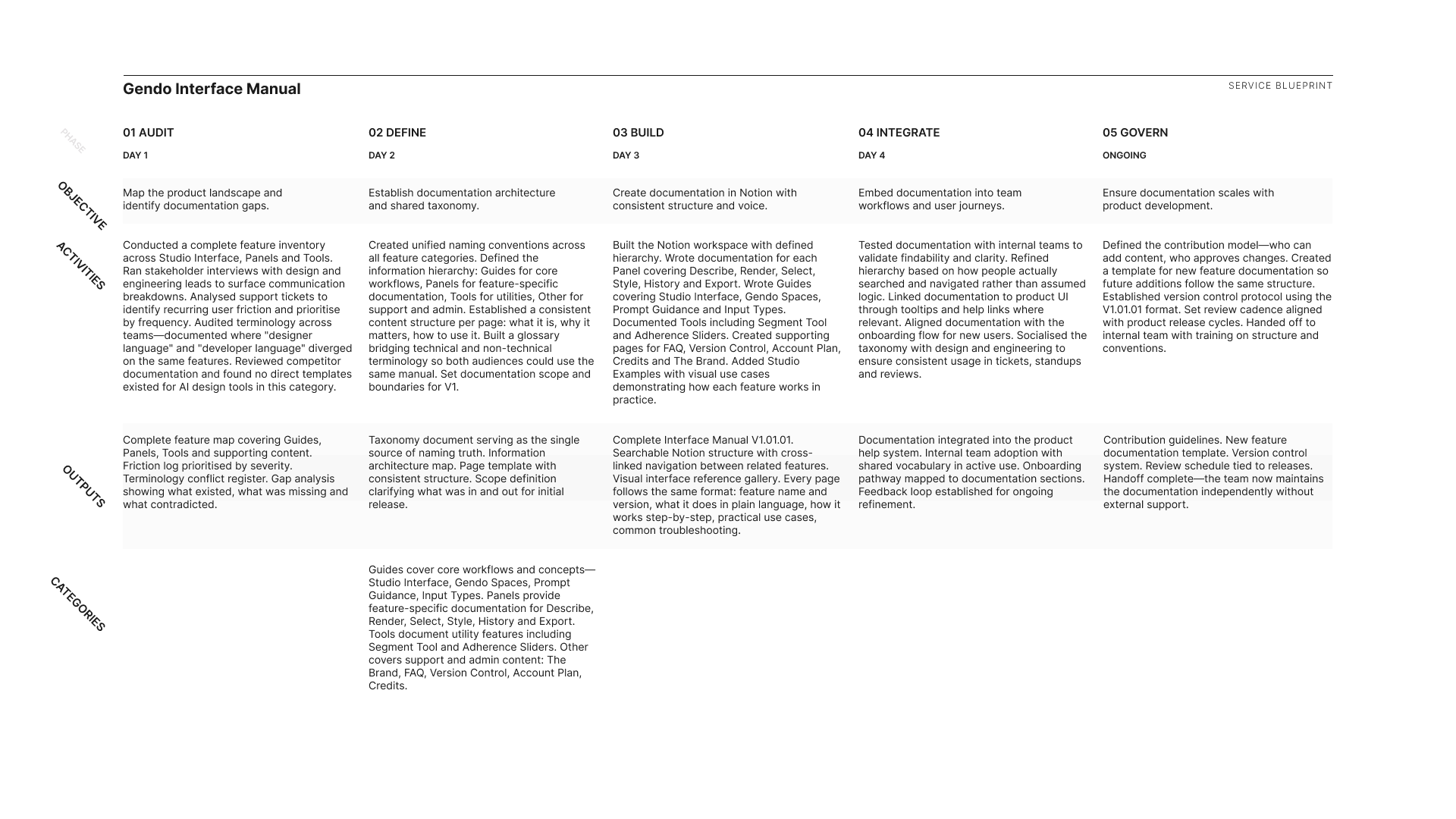
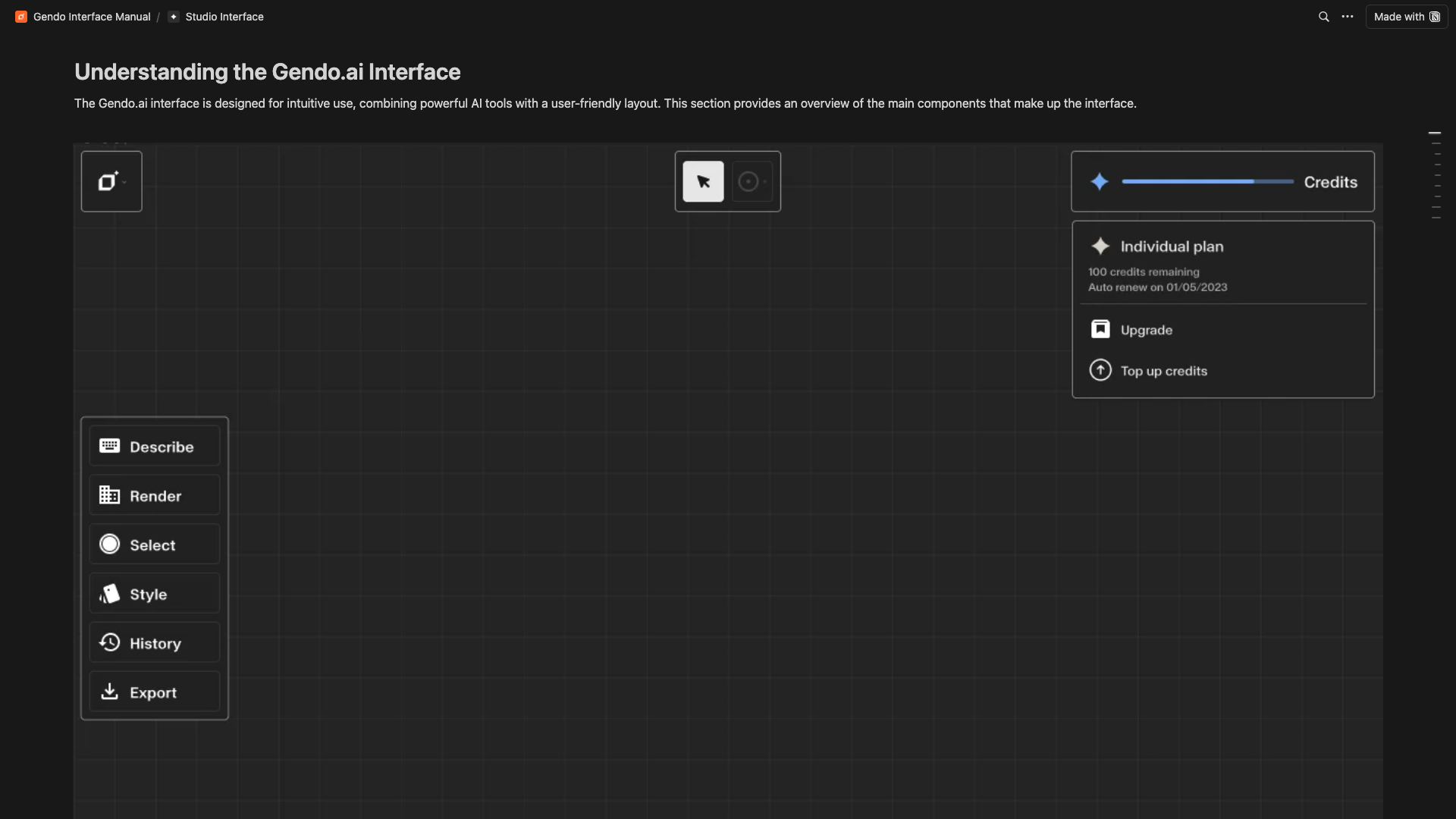
Audited the existing product with no documentation baseline to work from. Mapped every feature, user flow and interface component. Sat with developers to understand technical architecture. Sat with designers to understand intended user journeys. Identified where the two accounts diverged—which was frequently.
The gap wasn't knowledge. Both teams understood the product. The gap was vocabulary. The same feature had different names in different contexts. The same flow was described with different steps depending on who was explaining it.
Strategy
Defined a documentation structure for a product category with no established templates. Generative AI for design was new territory—no existing style guides to borrow from, no competitor documentation worth copying.
Created a shared taxonomy first. Aligned naming conventions across design and engineering. Established terminology that worked for technical users (architects using AI as a tool) and non-technical users (designers exploring the interface for the first time). The glossary became the foundation—everything else built from it.
Prioritised documentation by friction. Features that generated the most support queries came first. Features that were underused despite high value came second. Comprehensive coverage came last.
Prototyping
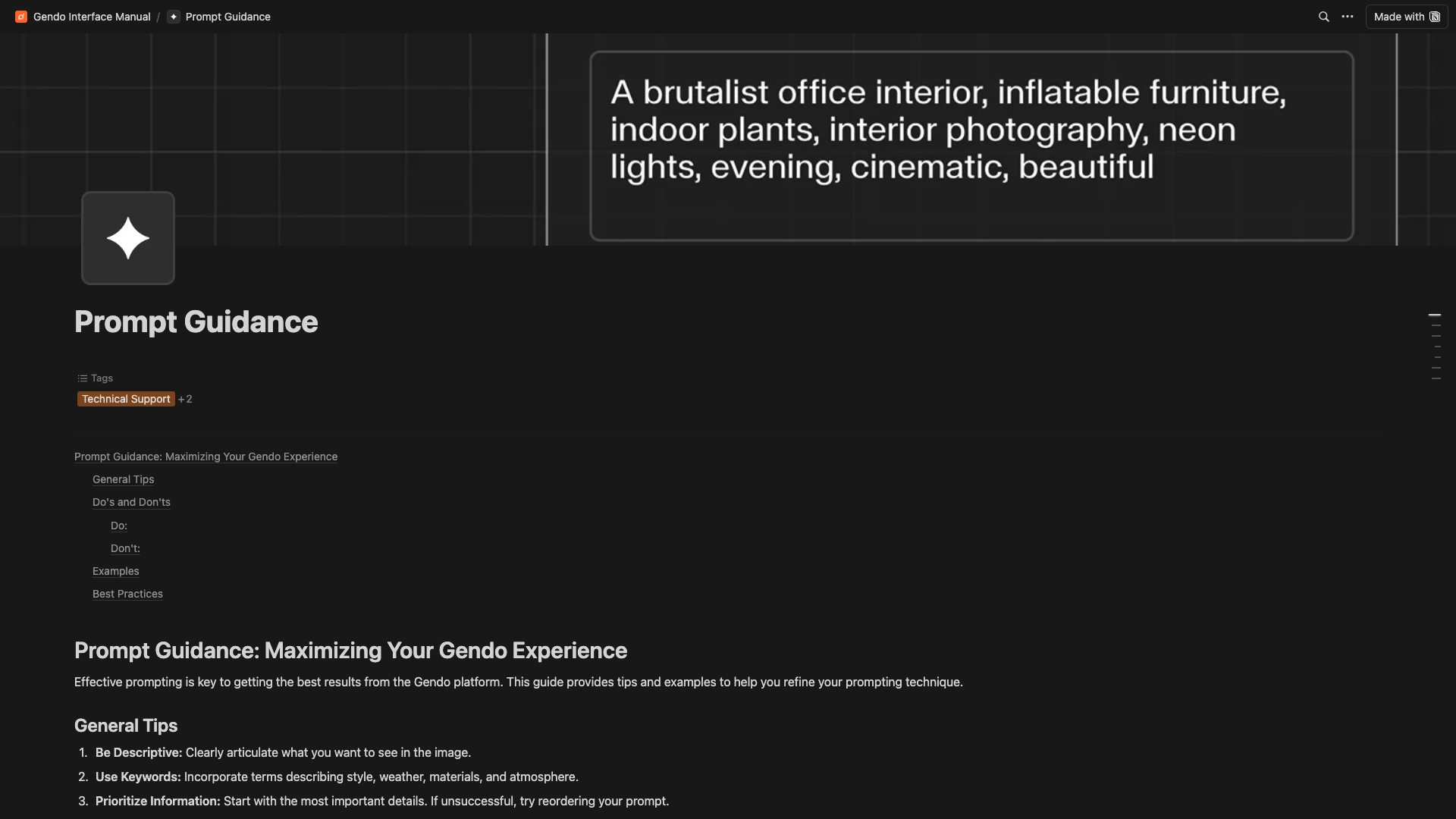
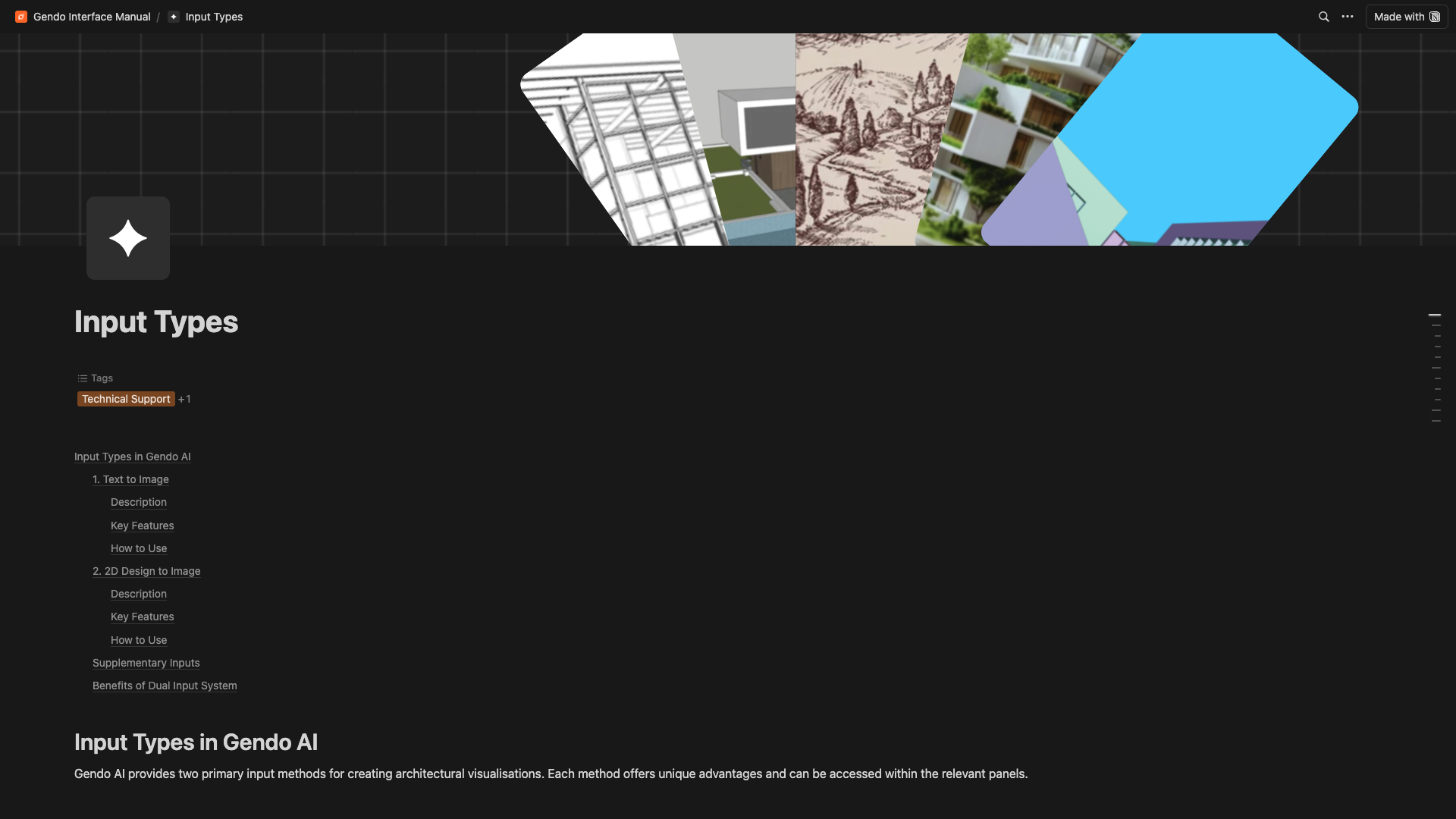
Built initial sections in Notion. Tested structure with internal teams—could they find what they needed? Did the hierarchy match how they actually thought about the product? Refined based on real search behaviour, not assumed logic.
Tested language with both audiences. Technical explanations that alienated designers were rewritten. Simplified explanations that frustrated developers were given depth. The goal was one document that served both, not two documents that served each.
Implementation
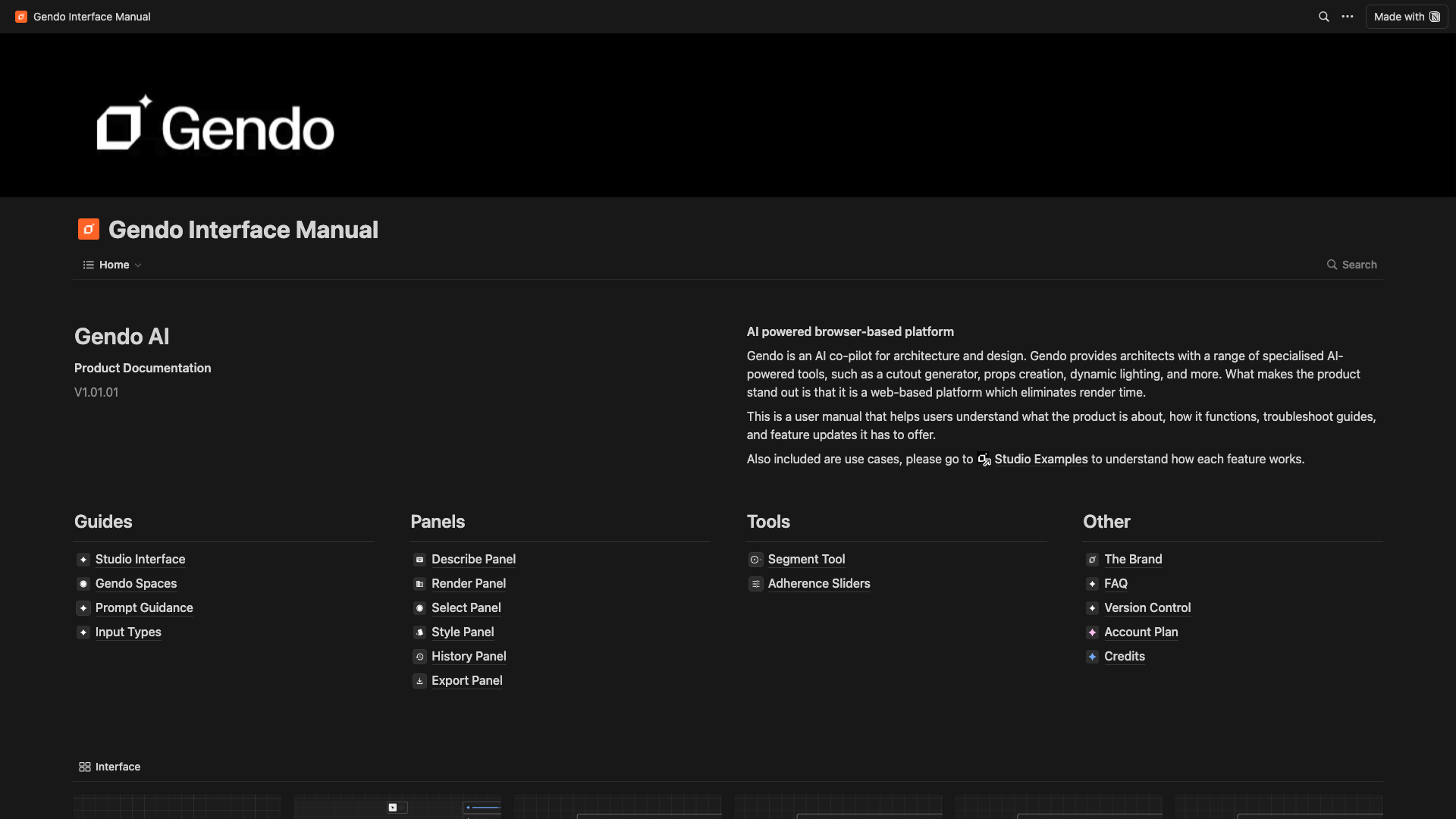
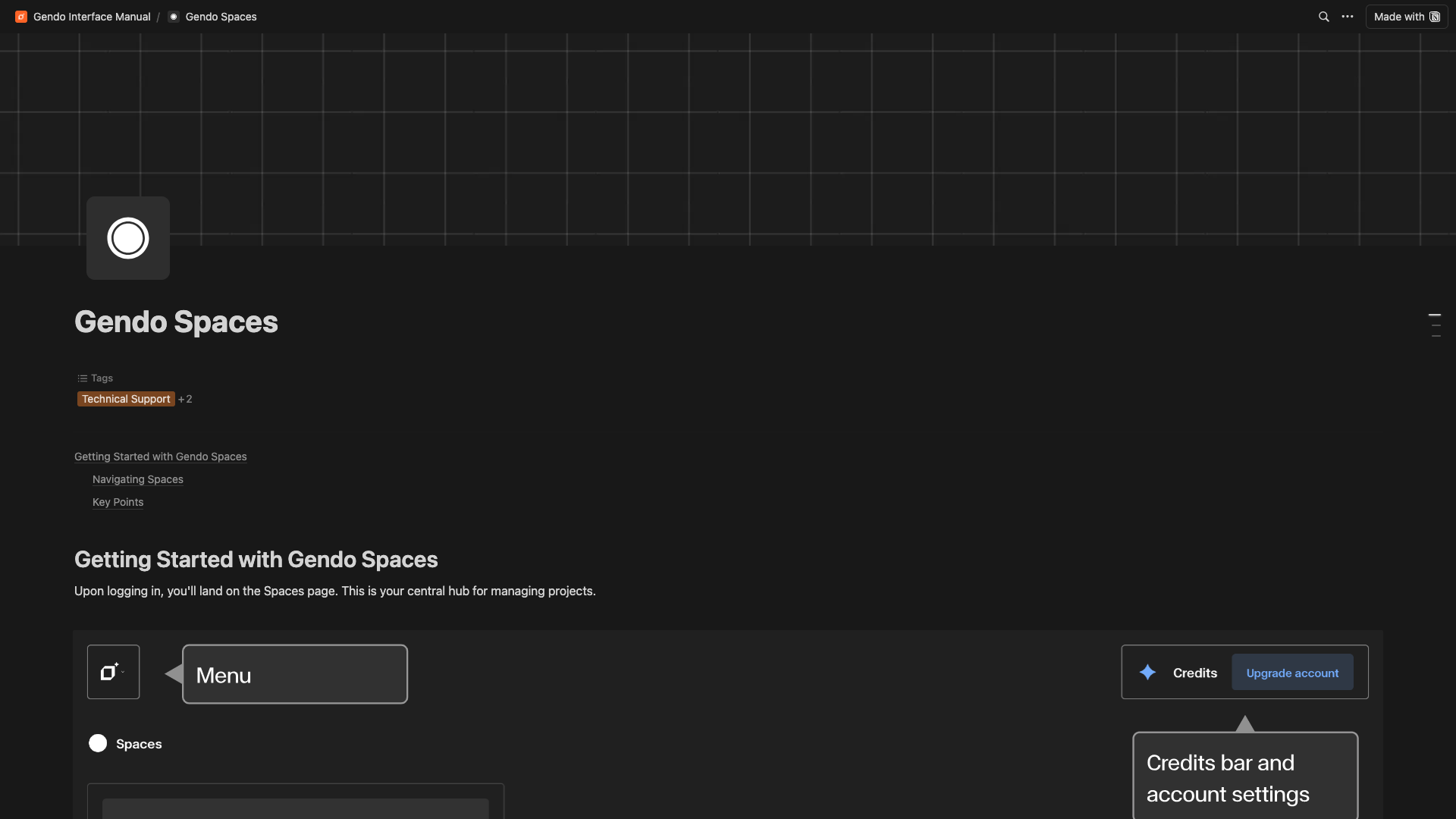
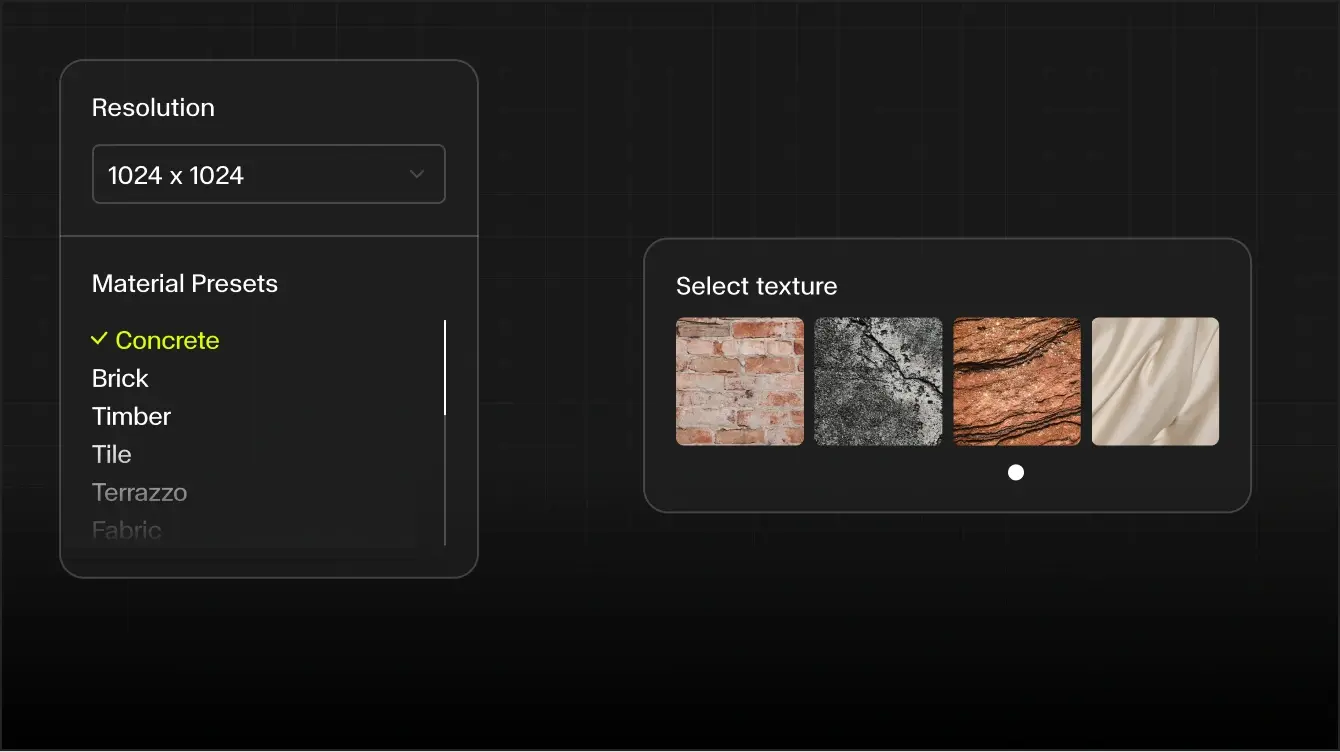
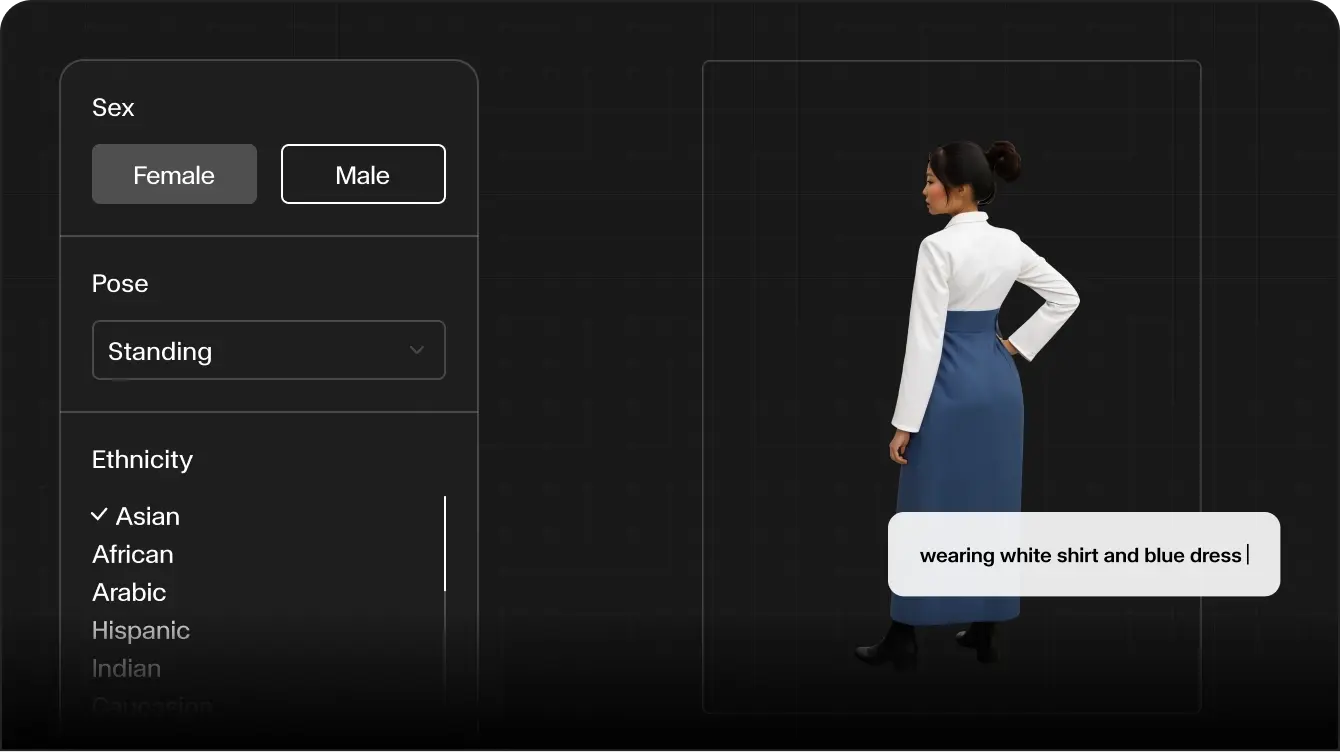
Delivered complete Interface Manual covering all platform features, input types, output controls, workspace management and integration options. Every section followed the same structure: what it is, why it matters, how to use it.
Created a framework for future updates—new features slot into existing architecture without restructuring. Handed off a system the team could extend without external support. The documentation now scales with the product.
Hamish clearly knows what he's doing! He dove straight into our product documentation with an experienced eye and clear direction. Ours was a whole new kind of generative AI product, and yet Hamish helped us with thoughtful, well structured documentation which has already proven an tremendous asset. A pleasure to work with, and I couldn't recommend him enough.
George Proud, CEO
Results
Documentation directly improved foundational code quality. When developers could see how features were being explained to users, they spotted inconsistencies in the product itself. Three interface fixes came directly from the documentation process—not from user testing, but from the act of trying to describe what the interface did.
Designer-developer communication shifted. The shared taxonomy meant standups, tickets and reviews used the same vocabulary. Less translation, fewer misunderstandings, shorter cycles.
User adoption increased. Support queries dropped. Feature usage became more evenly distributed—users found capabilities they'd previously missed. The documentation didn't just describe the product; it made the product more usable.
Gendo now has a single source of truth that serves internal teams and end-users from the same foundation. The framework scales with the product. No external dependency required.
ARTICLES
Further Reading
View all

All flow.
No friction.
hamish@hux.works
+44 (0)7832 839 543